Integrated systems
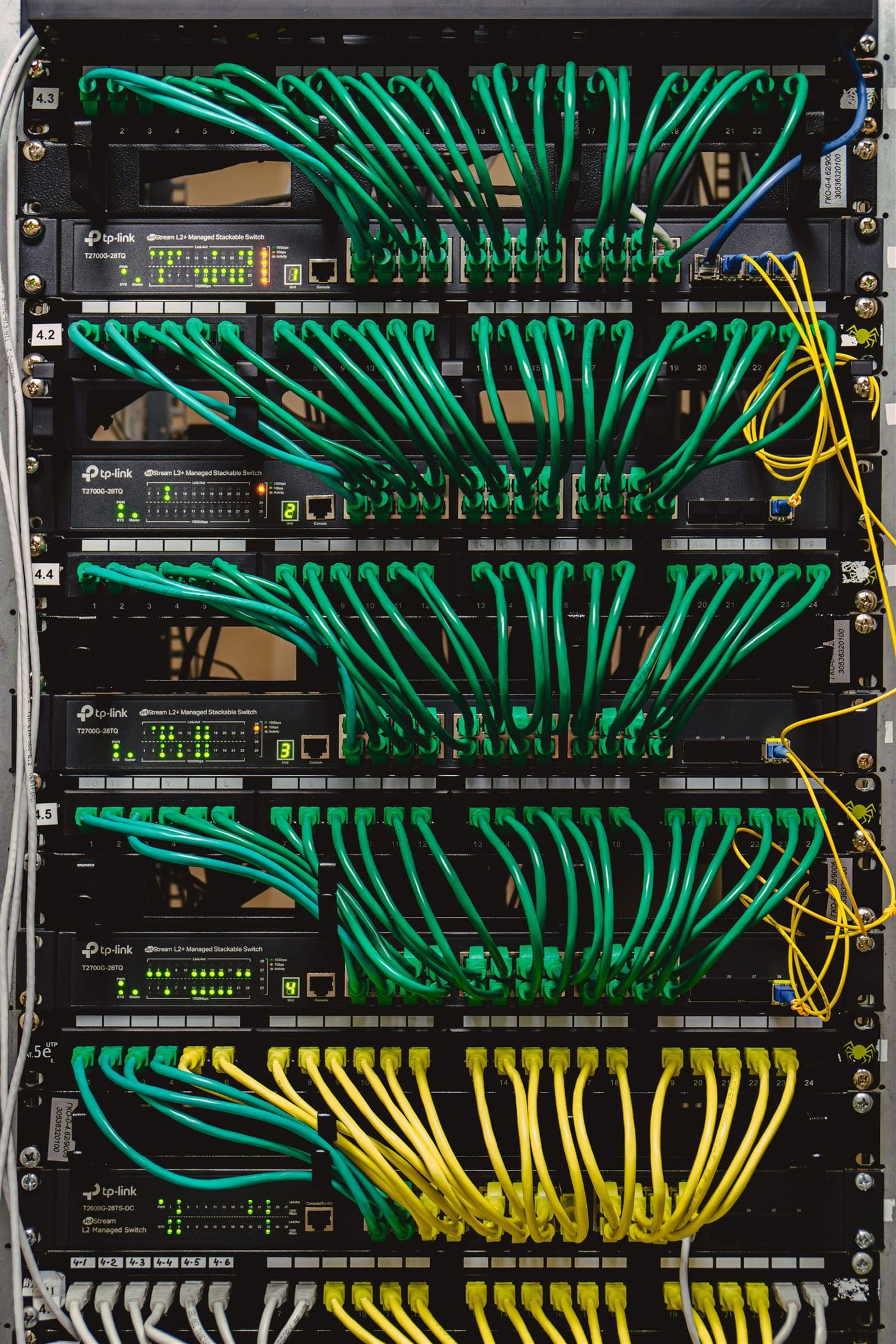
Applications, databases, APIs, and tools working with less duplicate work.
Services
We connect existing systems, APIs, legacy integrations, data, and hybrid ecosystems to reduce operational friction, improve traceability, and support growth.

Desired outcomes
We prioritize operational impact, real integration, and a technical base prepared to sustain growth.
Applications, databases, APIs, and tools working with less duplicate work.

Fewer spreadsheets, manual exports, and hard-to-audit steps.
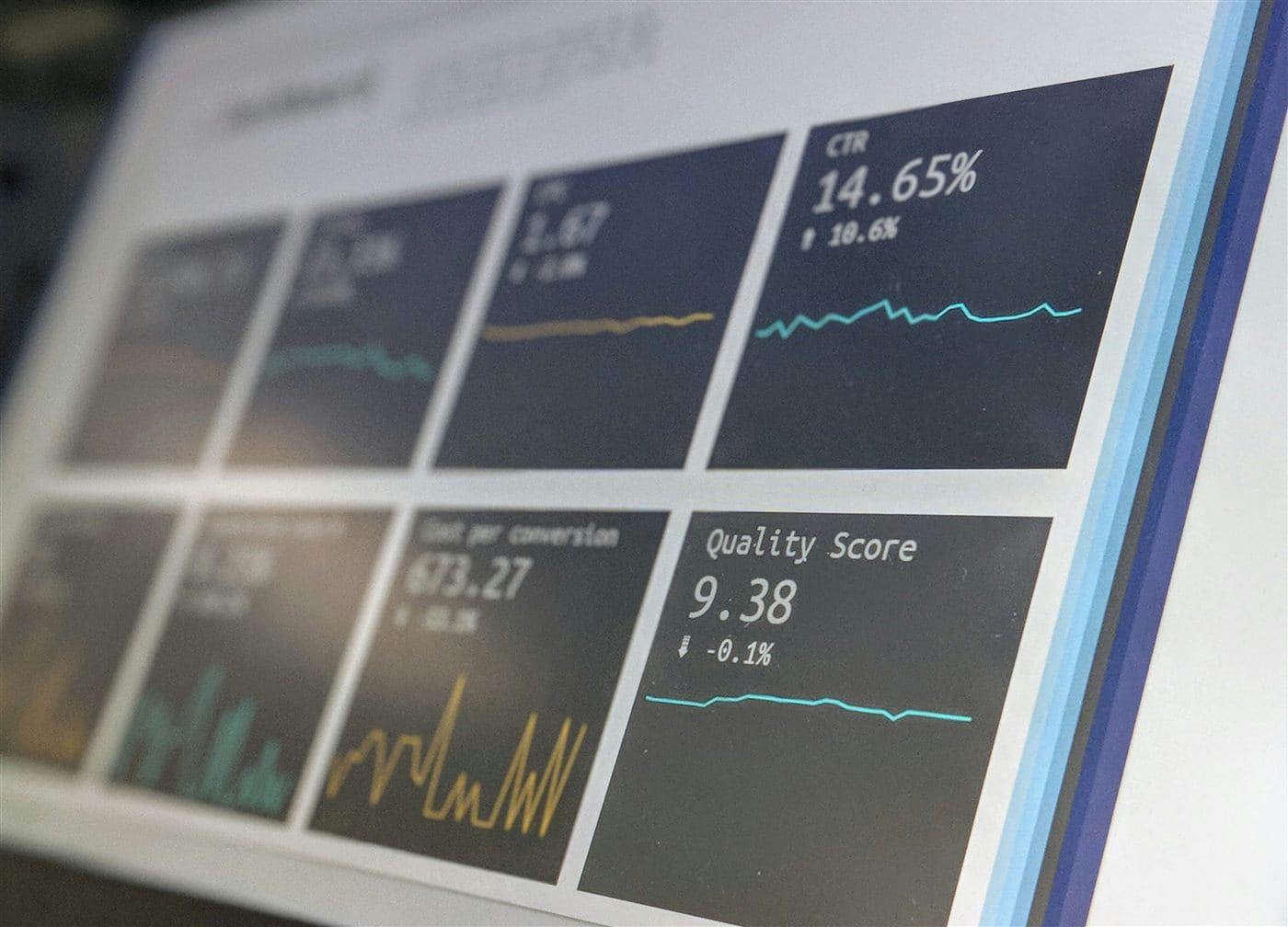
Clearer architecture for performance, scalability, automation, and support.
How we move forward

01
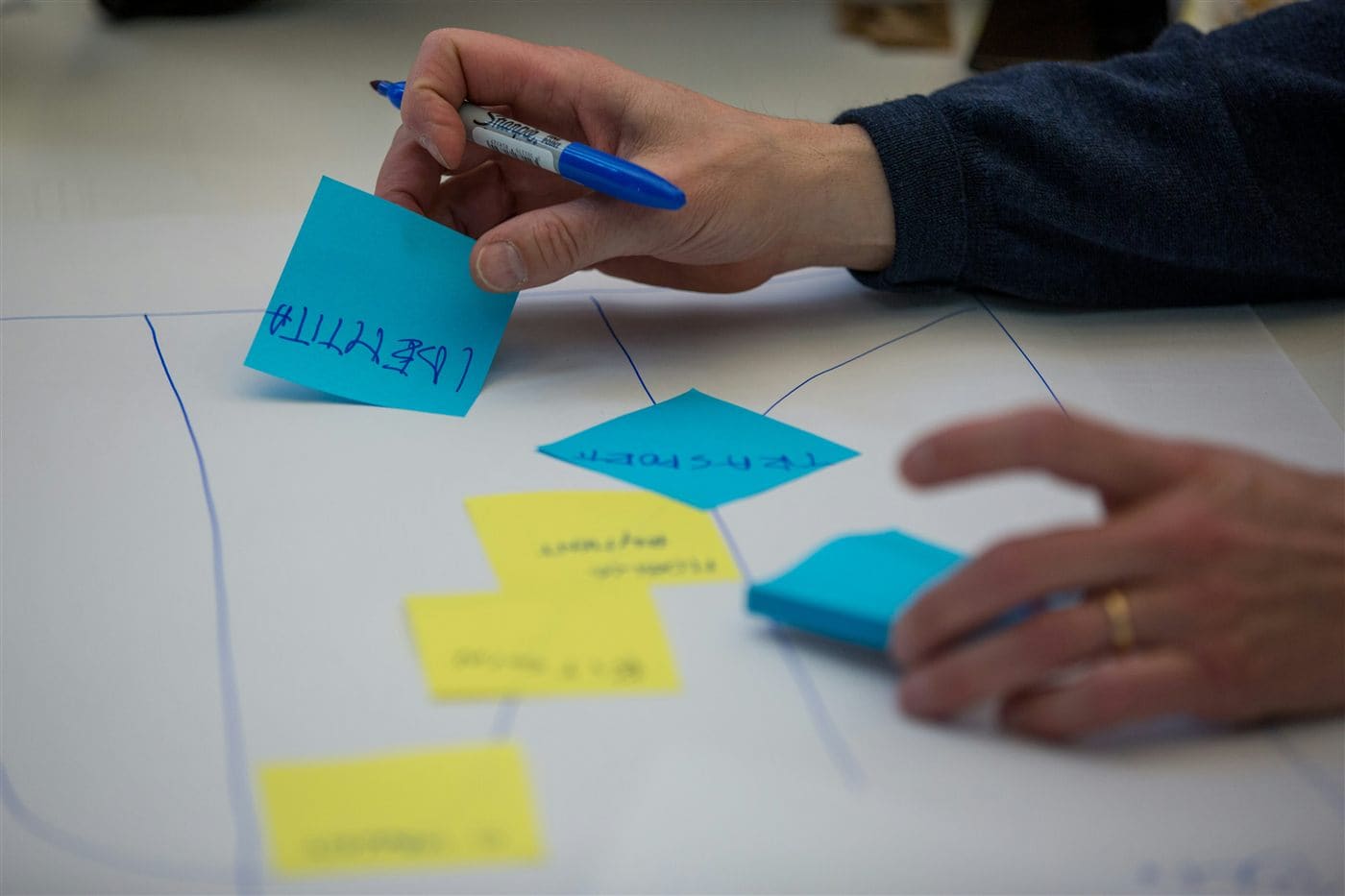
We review systems, data, infrastructure, constraints, and pain points.

02
We organize risks, quick wins, dependencies, and architecture decisions.
03
We implement in stages to reduce interruptions and validate impact.
04
We leave criteria, documentation, and next steps to sustain improvement.
FAQ
Integration is better when the current system still supports the operation, but needs to connect with data, APIs, reports, or new modules without the risk of a full replacement.
Yes. We prioritize critical interfaces, data, and processes to reduce operational risk and evolve without stopping the business.
We combine business process understanding with architecture, development, and support so the integration remains maintainable after launch.
Yes. Integration often enables automation, traceability, and less manual work between existing areas and systems.
Related services
Next step
In an initial call, we validate goals, current systems, risks, and opportunities for automation or AI to define the best starting point.